 Announcement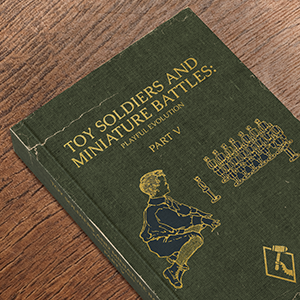

Greetings, fellow adventurers, as we embark on the fifth chapter of our journey through the world of miniatures from Stone Age to custom 3D-printed minis. In this leg of our voyage, we explore the evolution of miniature soldiers and the miniature battles they waged. Join us as we pull back the curtains on the origins of toy soldiers and miniature warfare, a domain where imagination and creativity knew no bounds.
The Birth of Toy Soldiers: Tin Soldiers on the March
Our tale begins with the birth of toy soldiers in the early 19th century. At a time when the world was experiencing great upheaval, miniature tin soldiers marched onto the scene. The production of these soldiers, often made from lead or tin, was a meticulous process, demanding precision and attention to detail. These miniatures were popular among children and adults alike, with elaborate sets reenacting historic battles and campaigns. As these miniature armies gathered on tabletop battlefields, they breathed life into history and allowed people to become generals of their own design.
Miniature Worlds at War: The Advent of Wargaming
The 19th century saw the emergence of wargaming, a pastime that combined strategic thinking with miniatures. This marked the birth of a hobby where miniature battles took on an entirely new dimension. Pioneered by figures like H.G. Wells, who authored “Little Wars,” and Fred T. Jane, who introduced naval wargaming, the miniature battlefield became a canvas for tactical warfare. Rules and regulations were developed, allowing players to engage in complex and strategic battles using equally detailed miniatures. These games transported enthusiasts into alternate realities through strategy and imagination.
World War Miniatures: A Reflection of Reality
As the 20th century dawned, the world was plunged into a series of devastating conflicts. This somber reality found its reflection in the world of miniatures. Toy soldiers, initially created for play, were now transformed into a medium for honoring, remembering, and understanding the monumental events of world wars. Miniature soldiers, tanks, and artillery pieces became poignant reminders of the sacrifices and heroism of real-life soldiers. The precision and craftsmanship of these miniatures served as a bridge between generations, preserving history through art.
The Miniature Renaissance: Hobbyists and Collectors Unite
In the latter half of the 20th century and beyond, the hobby of collecting and customizing miniature soldiers experienced a renaissance. Enthusiasts and collectors dedicated themselves to amassing armies of miniatures with astounding detail. The market flourished with an ever-expanding array of miniatures, ranging from historical soldiers to fantastical creatures. Miniatures were no longer confined to the realm of toy soldiers; they became expressions of artistry, encapsulating the passion and creativity of their creators and collectors.
Toy soldiers and miniature battles represent a unique and endlessly creative aspect of miniature artistry. From the birth of toy soldiers to the inception of wargaming, the solemn reflection of world wars, and the contemporary resurgence of miniature collecting and customizing, these miniatures have taken on a life of their own. As we continue on our voyage through the miniature world, we’ll explore how these small yet powerful creations have left their mark on both the realms of play and art.
Reference Links:
Part 1: The Early Beginnings: Miniatures in Ancient Civilizations
Part 2: Illuminated Chronicles: Miniatures in Medieval Manuscripts and Beyond
Part 3: Renaissance Revival: Miniatures in a New Light
Part 4: Enlightenment Expressions: Miniatures in an Age of Reason